
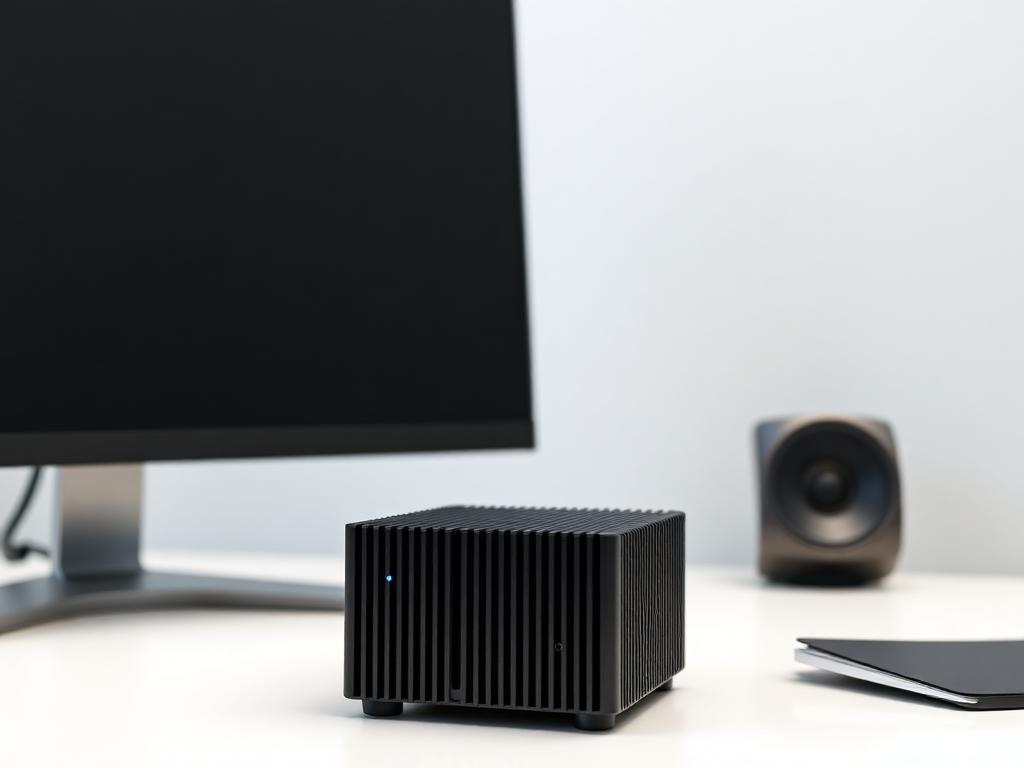
INVESTIGATION DOSSIER
MINI PCS
Serious compute, shoebox footprint.
Mini PCs trade upgradeability for size and silence. We investigate thermal design, real sustained performance and whether the soldered trade-offs match how you actually work.
INVESTIGATE A MINI PCWHAT WE INVESTIGATE
- Sustained vs burst performance
- Thermal throttling under load
- Soldered vs upgradeable RAM
- Storage expansion options
- External GPU viability
- Port selection and display outputs
- Acoustics at desk distance
- Performance per litre vs a real build
COMMON MISTAKES WE CATCH
- Expecting desktop GPU performance from a 4-litre box
- Buying soldered 16 GB with no upgrade path
- Ignoring the thermal throttle curve in reviews
- Paying mini-PC prices for hardware a 900 credits tower doubles
RECOMMENDED CONFIGURATIONS
MINI PCS — REFERENCE BUILDS
Desk Minimalist
Ryzen 7 mobile · 32 GB · 1 TB NVMe
600–800 credits
Creator Mini
Core Ultra · 64 GB · 2 TB NVMe
1,100–1,400 credits
Mini + eGPU
Mini PC + external GPU enclosure
1,600 credits+
PRIORITY ORDER
- 01 Verified sustained performance
- 02 32 GB RAM minimum if soldered
- 03 Dual storage slots where possible
- 04 USB4/Thunderbolt for expansion
- 05 Measured noise levels
COMPONENTS UNDER REVIEW
Every mini pc investigation inspects these components against the criteria above — then issues a verdict.
ANSWERS ON RECORD
FREQUENTLY ASKED QUESTIONS
For office, development and light creator work — often yes. For gaming, rendering or AI, a tower delivers roughly double the performance per euro.
Varies enormously. Some take standard RAM and two NVMe drives; others solder everything. This is one of the first things our investigation verifies.
Good designs sustain their rated performance indefinitely; bad ones quietly throttle 30%. We flag the cooling class before you buy.