
REFERENCE FILE
GPU
Where gaming budgets belong.
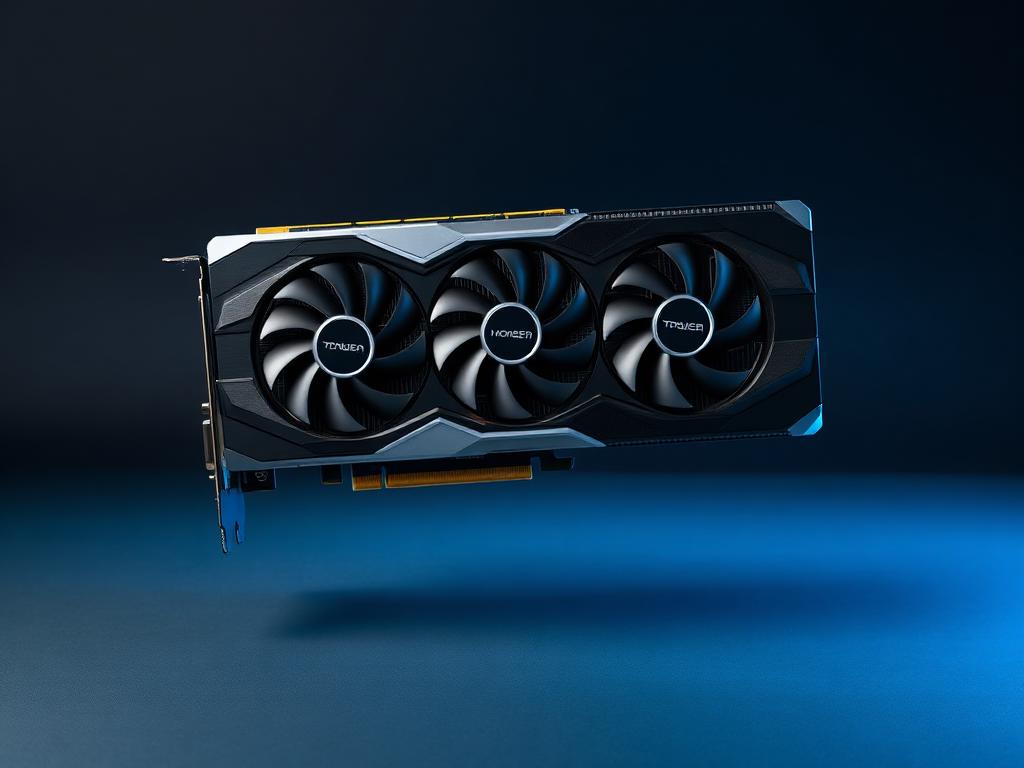
The graphics card defines gaming performance, GPU compute and increasingly AI capability. We check tier, VRAM, power and value per frame.
WHAT WE CHECK
- Performance tier vs target resolution
- VRAM capacity and bandwidth
- Power draw and transients
- Physical dimensions
- Price per frame vs alternatives
EXAMPLE COMPONENTS
GPU — REFERENCE UNITS
Demo reference entries showing how PPHU ABC reads a component: specs, class, value signal, thermal behavior, upgrade position, concerns.
RTX 5070
CLASS: UPPER-MIDRANGE · VALUE: FAIR
649 credits
ARCHITECTURE
Blackwell
VRAM
12 GB GDDR7
POWER
250W
TARGET RESOLUTION
1440p High-Refresh
LENGTH
≈ 285 mm
CONNECTORS
1× 16-pin
THERMAL NOTE
250W sustained — needs a case with a real intake path.
UPGRADE POSITION
The 1440p sweet spot; pairs well with any modern 8-core CPU.
CONCERNS
- · 12 GB VRAM may age at 4K
- · 16-pin adapter cable quality matters
RX 9070
CLASS: UPPER-MIDRANGE · VALUE: STRONG
599 credits
ARCHITECTURE
RDNA 4
VRAM
16 GB GDDR6
POWER
220W
TARGET RESOLUTION
1440p High-Refresh
LENGTH
≈ 267 mm
CONNECTORS
2× 8-pin
THERMAL NOTE
Efficient for its class; standard dual-fan coolers cope well.
UPGRADE POSITION
Strong alternative where raster value matters more than RT features.
CONCERNS
- · Ray tracing trails NVIDIA's tier
- · Fewer AI/software ecosystem hooks
RTX 4060
CLASS: ENTRY-MAINSTREAM · VALUE: FAIR
299 credits
ARCHITECTURE
Ada Lovelace
VRAM
8 GB GDDR6
POWER
115W
TARGET RESOLUTION
1080p High
LENGTH
≈ 240 mm
CONNECTORS
1× 8-pin
THERMAL NOTE
115W — trivial to cool, whisper-quiet cards exist.
UPGRADE POSITION
1080p today; plan a step up for 1440p ambitions.
CONCERNS
- · 8 GB VRAM is the floor for new titles
- · Often slotted into overpriced prebuilts